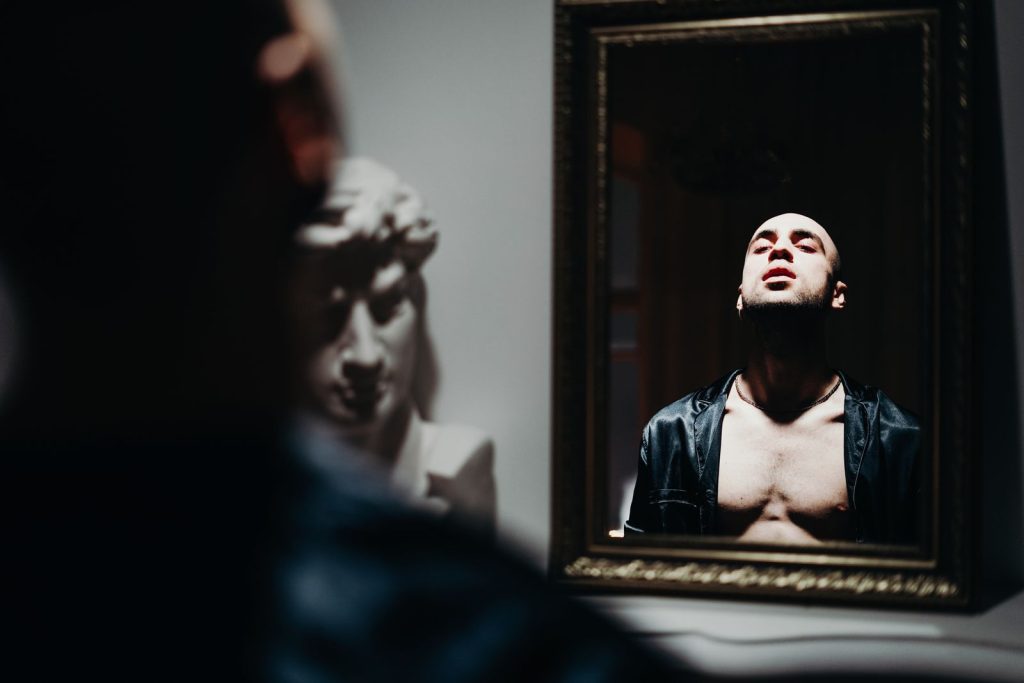
Many people come to tarot hoping to learn about the future. Many stay because tarot turns out to be an excellent tool for understanding themselves. The cards’ archetypes and scenes act like mirrors, helping you notice feelings, patterns and possibilities you might otherwise overlook. This guide explores how to use tarot for self-reflection and personal growth.

Why tarot works for self-reflection
- Archetypes: cards like The Hermit, The Empress or The Chariot represent universal human experiences that are easy to relate to.
- Images: pictures bypass overthinking and invite intuitive responses.
- Structure: spreads break complex feelings into manageable parts.
- Distance: talking about “the card” can make it easier to explore difficult feelings.
- Randomness: an unexpected card can introduce a perspective you would not choose yourself.
Reflective questions
For self-reflection, focus on questions about your inner world:
- What am I feeling beneath the surface?
- What strength have I been overlooking?
- What pattern keeps repeating in my life?
- What do I truly value right now?
- What am I ready to let go of?
- What would it look like to be kinder to myself?
Spreads for personal growth
Who am I right now? (three cards)
- How I see myself.
- How others see me.
- Who I am becoming.
Strength, challenge, lesson (three cards)
- A strength to rely on.
- A challenge to face.
- The lesson available to me.
Values spread (four cards)
- What I value most.
- Where my life aligns with my values.
- Where it does not.
- One step towards alignment.
Growth year (twelve cards)
One card for each month of the coming year, showing a theme or lesson to focus on, plus one central card for the year’s overall intention.
Shadow work with tarot
“Shadow work” means exploring parts of ourselves we tend to hide or reject: jealousy, anger, fear, insecurity. Tarot can make this gentler. Try these prompts:
- “Which card represents a part of me I don’t like to admit?”
- “What is this part trying to protect me from?”
- “How can I accept and care for it?”
Cards like The Devil, The Moon and the Five of Swords often appear in shadow work. Approach them with curiosity, not judgement. If shadow work brings up intense emotions or trauma, consider working with a qualified therapist.
Using archetypes as role models
Major Arcana cards can serve as inspiration. Choose a card that represents a quality you want to develop: Strength for patience, The Magician for confidence, Temperance for balance. Keep it visible for a week and ask daily, “How would this card act today?”
Tracking growth
Personal growth is gradual, so a journal is essential. Record your reflective readings, and every few months, look back. You may notice difficult cards becoming less frequent, or new themes emerging. See How to Keep a Tarot Journal.
Turning insights into habits
Insight becomes growth when it changes behaviour. After each reflective reading, choose one small, concrete action:
- The Four of Swords: schedule real rest this week.
- The Three of Cups: reconnect with a friend.
- The Eight of Pentacles: practise a skill for twenty minutes daily.
- The Queen of Cups: check in with your feelings each evening.
Combining tarot with other practices
Tarot pairs well with journaling, meditation, walking, creative work and conversations with trusted people. Some therapists and coaches use tarot imagery as a prompt for discussion. Tarot is not therapy, but it can complement many paths to self-understanding.
A gentle reminder
Self-reflection should leave you feeling clearer and kinder towards yourself. If readings make you anxious or self-critical, simplify: use fewer cards, choose gentler questions, or take a break. The goal is growth, not perfection.
A reflective reading example
Using the strength, challenge, lesson spread, someone draws the Queen of Wands, the Nine of Swords and Temperance. Their strength is confidence and warmth, which others notice even when they doubt themselves. Their challenge is anxious overthinking, especially at night. The lesson is balance: they do not need to fix every worry immediately, but can respond to anxiety with moderation, routine and patience. They decide to write worries down before bed and review them calmly in the morning. The reading did not reveal anything magical; it simply put a familiar struggle into a clear shape and pointed to a manageable next step.
Seasonal reflection rituals
Many readers mark the turning points of the year with a reflective reading: the new year, birthdays, the change of seasons or the anniversary of an important event. A simple seasonal spread asks what the past season taught you, what to leave behind, what to bring forward and what to nurture in the season ahead. Over the years, these readings form a meaningful record of how you have grown and changed.
Reflection with a partner or friend
Self-reflection does not have to be solitary. Some friends or couples draw reflective cards together and talk about them. Each person draws a card for “what I need right now” and shares what it means to them. Hearing how someone else interprets their card can deepen your understanding of both the cards and each other. Keep it supportive: listen, do not judge, and let each person decide what their card means for them.
The Major Arcana as a growth map
The Fool’s Journey through the Major Arcana is itself a model of personal growth: from innocence, through learning, testing, loss, renewal and finally integration. Some readers like to ask, “Which Major Arcana card best describes where I am in my journey right now?” and pick the card consciously rather than at random. Choosing a card deliberately can be just as revealing as drawing one, because your choice shows how you see your current stage. See The Fool’s Journey.
Frequently asked questions
Can tarot replace therapy?
No. It can support reflection, but mental health concerns deserve professional care.
How often should I do reflective readings?
Weekly or monthly works well, with daily cards for ongoing awareness.
What if I don’t believe in tarot’s predictive power?
You don’t need to. Tarot works powerfully as a reflective tool regardless of belief.