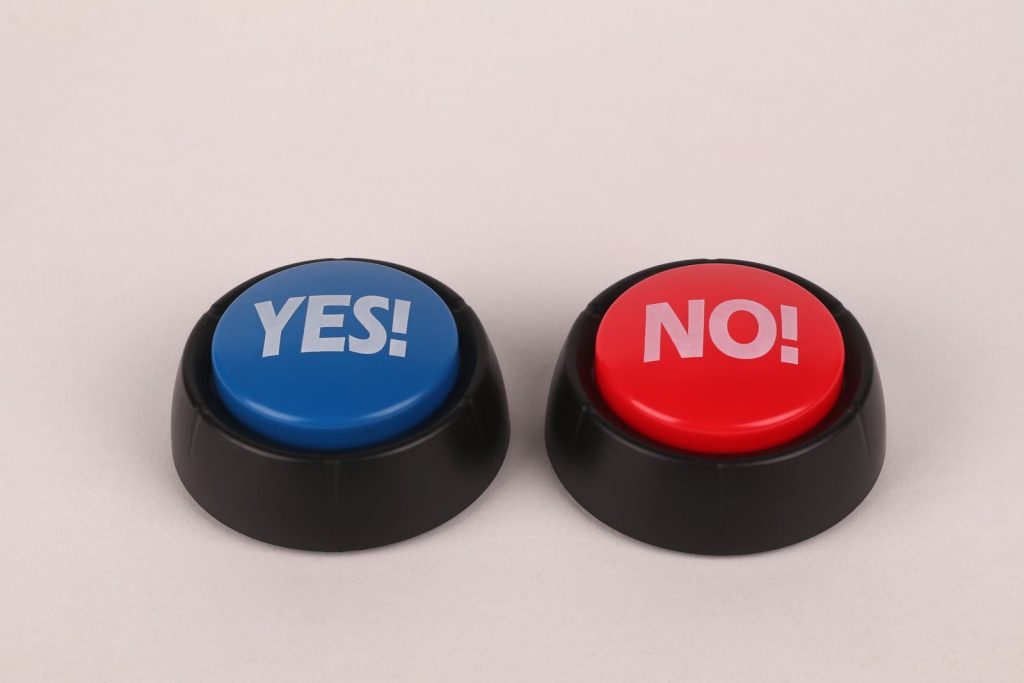
Sometimes you just want a straight answer. Yes or no tarot readings are popular because they are quick and decisive. They have limits, because tarot is better at describing situations than issuing verdicts, but used thoughtfully they can be a helpful nudge. This guide explains how they work and how to get the most from them.
When yes-or-no readings are useful
- Small, everyday decisions: “Should I go to this event?”
- Checking your gut feeling when you are already leaning one way.
- Getting unstuck when you have thought about a decision for too long.
- Practice: they are a fun way to learn card meanings.
They are less useful for complex, high-stakes questions such as major health, legal or financial decisions. For those, use a fuller spread for reflection and seek professional advice.
Method 1: one card
Shuffle while focusing on your question, then draw one card. Interpret it as yes, no or maybe based on its meaning:
- Yes: positive, energetic or successful cards.
- No: cards of loss, conflict, blockage or caution.
- Maybe: cards of uncertainty, waiting or balance.
Some readers also treat upright cards as yes and reversed cards as no, which is simple but less nuanced.
Method 2: three cards
Draw three cards and count the yes, no and maybe cards. Two or three yes cards give a yes; two or three no cards give a no; a mix suggests the answer depends on factors still in play. The three cards also give extra context about why.
Cards that often lean yes
- Major Arcana: The Sun, The Star, The World, The Magician, The Empress, The Lovers, The Chariot, Strength, Wheel of Fortune (upright).
- Aces: all four upright Aces.
- Cups: Two, Three, Nine (the wish card), Ten.
- Wands: Three, Four, Six, Eight.
- Pentacles: Three, Six, Eight, Nine, Ten.
- Swords: Six (moving forward).
Cards that often lean no
- Major Arcana: The Tower, The Devil, The Moon (unclear), Death (an ending).
- Swords: Three, Five, Eight, Nine, Ten.
- Cups: Five, Eight.
- Wands: Five, Ten.
- Pentacles: Five, sometimes Four (holding back).
Cards that often mean maybe or not yet
- The High Priestess, The Hermit, The Hanged Man, Justice, Temperance.
- Two of Swords (indecision), Seven of Cups (too many options), Seven of Pentacles (wait), Four of Swords (rest first), Two of Pentacles (balancing).
- Many court cards, which may say “it depends on this person” or “on your approach”.
These lists are traditions, not rules. Context matters: the Death card can be a strong “yes” to the question “Should I end this commitment?”
Getting more from a yes-or-no reading
A yes or no on its own gives you little to work with. After the answer, ask a follow-up open question: “Why?” or “What do I need to know to make this work?” Draw one or two more cards for that. Now you have both an answer and guidance.
Phrasing yes-or-no questions
- Ask about your own actions: “Is it a good idea for me to apply for this course?” rather than “Will they accept me?”
- Keep it to one question: not “Should I move and change jobs?”
- Avoid questions about others’ private lives or health.
- Avoid asking again and again until you get the answer you want.
Example readings
Question: “Should I take the weekend trip with my friends?” One card: Three of Cups. Answer: yes, a joyful time with friends.
Question: “Is now a good time to start my new project?” Three cards: Ace of Wands (yes), Two of Swords (maybe), Seven of Pentacles (maybe). Answer: the inspiration is real, but you are undecided and may need more patience; plan a little more before launching.
Question: “Should I lend money to my cousin?” One card: Five of Pentacles. Answer: lean no; there is risk of financial strain. Consider other ways to help.
Trust your reaction
An interesting test: notice how you feel when the card appears. If you feel relief at a “no” or disappointment at a “yes”, that reaction tells you something about what you really want. Tarot often helps by revealing your own preferences.
Yes-or-no with AI and online tools
Many websites and AI tarot readers offer instant yes-or-no readings. They are fun and quick, but remember the same limits apply. Use them for light questions, and follow up with open questions for anything important. See Free Online Tarot Readings.
Practice exercise
For one week, ask a yes-or-no question about a small daily choice, such as “Will a walk at lunch improve my afternoon?” Draw a card, follow its advice, and note the result. This low-stakes practice builds your understanding of how individual cards lean, and it teaches you to read context rather than relying on a fixed list.
Why open questions often help more
Imagine asking, “Will I get the apartment?” and drawing the Seven of Pentacles, a “maybe” or “wait” card. You are left uncertain. Now imagine asking, “What can I do to improve my chances of getting the apartment?” The same Seven of Pentacles now gives clear advice: be patient, follow up steadily and prepare documents carefully. The card did not change; the question did. That is why many readers use yes-or-no readings as a starting point and then switch to an open question for guidance.
Setting your own yes-or-no rules
Before you start, decide your rules and write them down. Will you use reversals as “no”? Will court cards mean “it depends”? Will you use one card or three? Sticking to the same rules every time makes your readings consistent and stops you from reinterpreting a card after the fact just because you did not like the answer.
Frequently asked questions
Are yes-or-no readings accurate?
They are best viewed as guidance for reflection. Open questions usually give richer, more practical insight.
What if I draw a court card?
Treat it as “it depends”, often on your approach or on another person’s involvement in the situation.
Can I use only the Major Arcana for yes-or-no?
Yes. Some readers prefer it for clearer, more decisive answers on bigger questions.