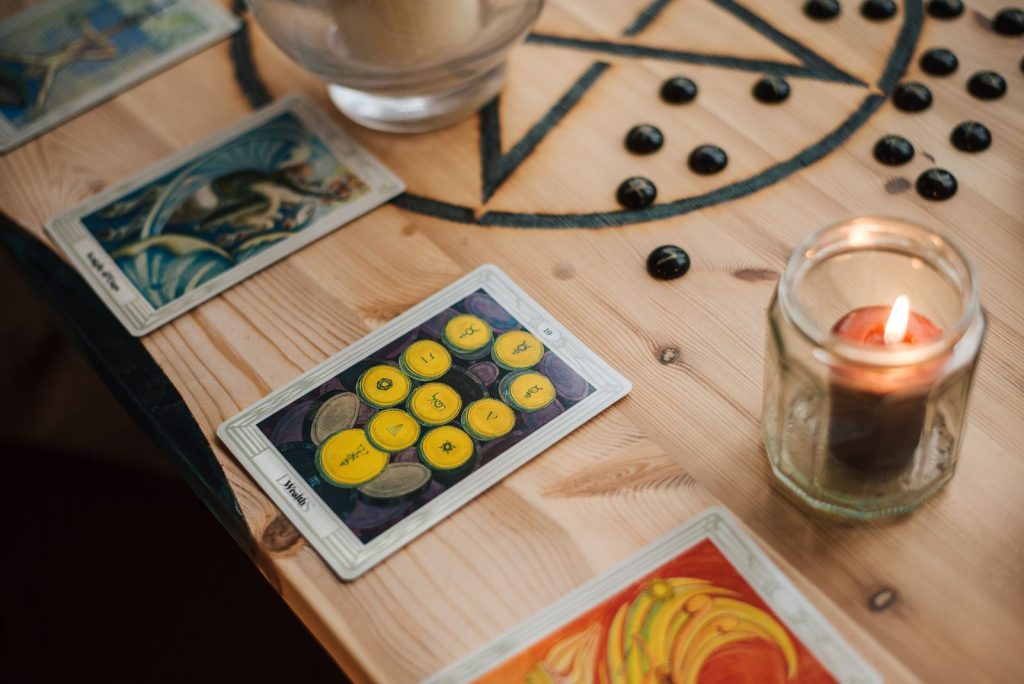
The one-card reading is the simplest form of tarot, and one of the most powerful. A single card can offer a focus for your day, a quick answer to a question, or a gentle nudge to reflect. It is also the fastest way to learn tarot, because you meet each card in the context of real life. This guide explains how to do a one-card reading well.

Why one card works
- Clarity: one card means one clear message.
- Speed: it takes minutes, so it fits into any routine.
- Learning: you get to know each card deeply, one day at a time.
- Reflection: a single focus encourages mindful attention through the day.
How to do a daily draw
- Choose a time: morning is popular, so you can carry the message through the day.
- Settle: take a few breaths and clear your mind.
- Ask your question: for example, “What do I need to know today?”
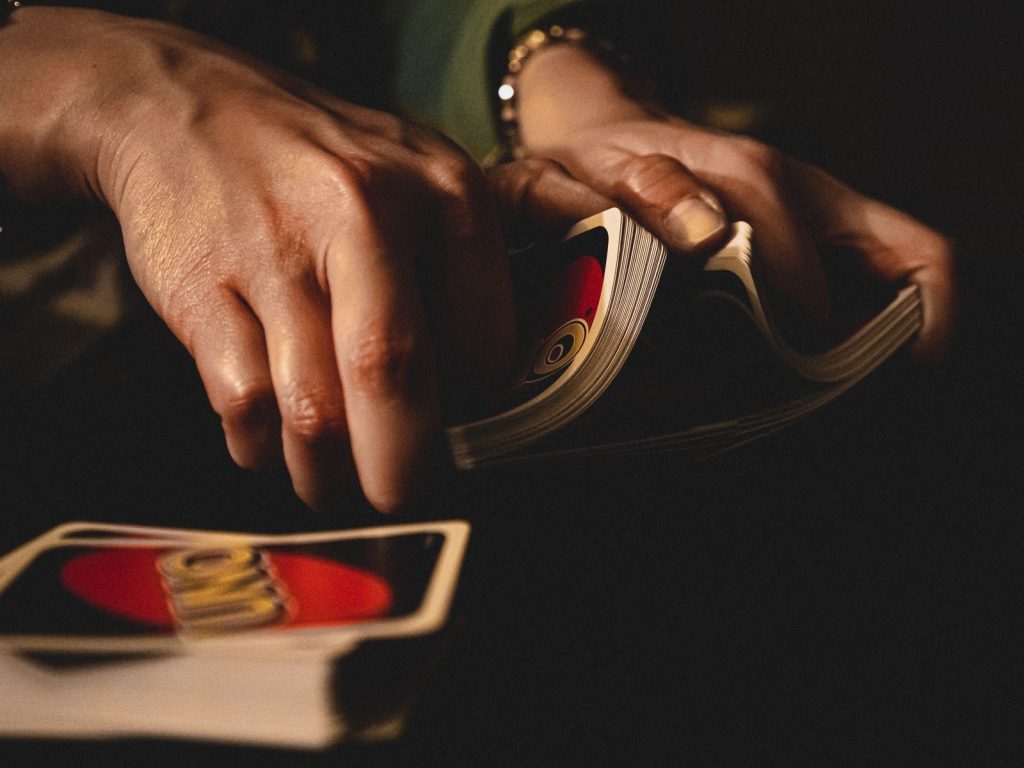
- Shuffle and draw one card.
- Look before you read: notice the image, colours and your first feeling.
- Interpret: consider the card’s traditional meaning and how it might apply today.
- Write it down in a journal or notes app.
- Review in the evening: how did the card show up?
Good questions for one card
- What do I need to focus on today?
- What energy can I bring to this situation?
- What is the lesson for me this week?
- What should I be aware of in this meeting?
- How can I take care of myself today?
- What is my strength in this situation?
Avoid very complex questions; one card cannot explain a whole relationship history. Use larger spreads for those.
Interpreting a single card
With only one card, there is no context from other cards, so focus on three things:
- The core meaning: one or two keywords.
- The question: how does the meaning answer what you asked?
- Your day: where might this energy show up in your plans?
Example: you draw the Two of Pentacles. Core meaning: juggling, balance. Question: “What do I need to focus on today?” Day: you have a busy schedule. Interpretation: stay flexible and prioritise; don’t try to do everything perfectly.
Difficult cards in a daily draw
Drawing the Ten of Swords or The Tower in the morning can feel alarming. Remember that a daily card describes energy or a theme, not a prediction of disaster. The Ten of Swords might simply mean “let go of a worry that has run its course”; The Tower might mean “be ready for plans to change”. Read difficult cards gently and practically. See Scary Tarot Cards and What They Really Mean.
Keeping a daily card journal
A journal turns daily draws into a learning tool. For each day, note:
- the date and question;
- the card and your first impression;
- your interpretation in the morning;
- how it showed up by evening.
After a few months, you will have personal notes on many cards, and you will start to see patterns, such as cards that appear during busy weeks or before big changes. See How to Keep a Tarot Journal.
Recurring cards
If the same card appears several times in a week, pay attention. Recurring cards often highlight a theme you need to address. Ask: what is this card trying to tell me that I have not yet heard?
One-card readings for quick questions
Outside the daily routine, a single card can answer quick, focused questions: “What attitude should I bring to this interview?” or “What do I need to know about this decision?” Keep the question clear, accept the first card, and avoid redrawing because you hoped for a different answer.
Learning faster with daily draws
Many readers say the daily draw taught them more than any book. Within a few months, you will have met most of the deck in context. Try not to look up the meaning immediately; spend a minute with your own interpretation first. Then compare with a guide. This builds intuition and knowledge together.
Variations
- Weekly card: draw one card on Monday for the whole week.
- Morning and evening: a card for the day ahead and a card for reflection at night.
- Theme month: draw only from one suit or the Major Arcana for a month to study it deeply.
- Digital daily card: use an app or AI tarot reader when you are away from your deck.
Turning the card into action
The most useful daily draws end with a small action. If you draw the Page of Cups, send a kind message to someone. If you draw the Four of Swords, plan a real break. If you draw the Ace of Pentacles, take one practical step towards a goal. Linking each card to a concrete action makes tarot part of your daily life rather than just an interesting ritual.
A month of daily cards: what to expect
If you draw one card every day for a month, you will meet about thirty cards, some more than once. In the first week, most people look up every meaning. By the second week, the suits and numbers start to make sense, and you begin guessing meanings before checking. By the end of the month, you will have personal stories attached to many cards, the colleague who was definitely the Knight of Swords, the quiet evening that was the Four of Swords. Those stories are what make tarot meanings stick. A month of daily draws is the single best investment a beginner can make.
Frequently asked questions
Is one card enough for a real reading?
For daily guidance and quick questions, yes. For complex situations, use a larger spread with more positions.
Should I use reversals in daily draws?
It is up to you. Many readers keep daily draws upright for simplicity, especially while learning.
What if the card makes no sense?
Note it and review in the evening; meanings often become clear later in the day.